Design the measurement approach
Clarify what success looks like and translate it into practical measurement approaches through theories of change, results frameworks, indicators and data-collection tools.
I help development programmes define what success looks like, measure change, and use evidence to improve decisions.
Clarify what success looks like and translate it into practical measurement approaches through theories of change, results frameworks, indicators and data-collection tools.
Analyse and interpret data to produce clear, credible findings that support reporting, learning and programme improvement.
Between 2024 and 2026, I led MERL processes supporting impact reporting for more than 2,000 entrepreneurs. This involved coordinating data collection, quality assurance, analysis and reporting to assess employment, revenue and other programme outcomes.
I contributed data, analysis and findings to AMI’s annual impact reporting and donor reporting for programmes supported by the Argidius Foundation, Mastercard Foundation and World Bank.
Data collection: ODK · SurveyMonkey
Analysis: Excel · SPSS
Focus: Employment · Revenue · Business outcomes
I analysed routine programme data to examine whether consistent participation across programme activities was associated with stronger revenue and employment outcomes among entrepreneurs.
I linked participation records with entrepreneur-level outcome data and used Excel and SPSS to examine patterns across levels of engagement, sectors, regions and business types. The analysis found that entrepreneurs who were consistently engaged throughout the programme reported stronger business outcomes than those whose participation was more irregular.
The findings highlighted the value of monitoring participation and engagement throughout the programme, rather than focusing only on whether entrepreneurs completed the programme. Programme managers could identify declining engagement earlier and follow up with entrepreneurs while there was still time to support their participation.
I supported MERL design and implementation across AMI programmes, translating programme objectives and theories of change into practical approaches for tracking implementation, participation and outcomes.
My work included developing and strengthening theories of change, results frameworks, indicators, IPTTs, baseline approaches and routine monitoring processes, adapting measurement approaches as programmes evolved.
Measurement pathway: Programme objectives → Measurement framework → Data collection → Monitoring & analysis → Results & learning
Templates and tools you can open and look through.
My approach to managing programme and MERL data across its lifecycle, from collection and quality checks through access, sharing, retention and disposal. It sets out data-quality requirements, classification and role-based access to support responsible data management.
View document →My approach to translating a programme’s Theory of Change and results framework into a practical plan for what to measure, how to collect and assess the data, and how findings will feed into learning and decision-making.
View workbook →A portfolio work sample showing my approach to turning routine programme data into usable monitoring information. I developed it to track cohort participation, learning and results using simulated data.
View dashboard →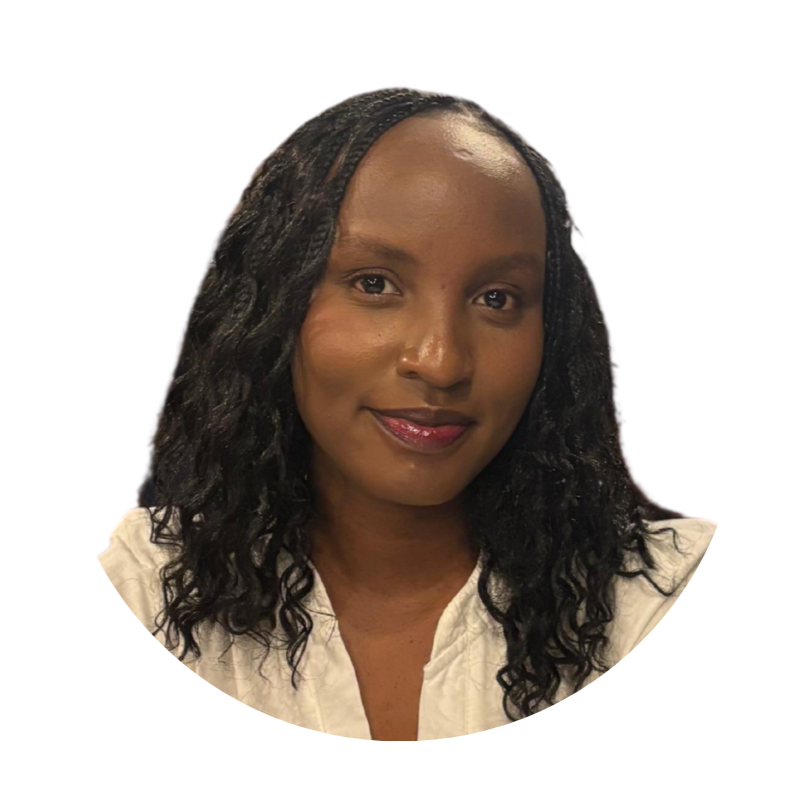 Photo
PhotoI am a MERL professional working across measurement, evaluation, research, data quality and learning. My work focuses on building practical measurement approaches, producing reliable programme data and turning findings into evidence that teams can use.
My experience spans the full measurement cycle, from results frameworks and data-collection approaches to analysis, reporting and learning. I have worked across entrepreneurship, MSME development, youth livelihoods and financial inclusion programmes in multiple African countries.
Theory of change · results frameworks · indicators · MEL plans · baseline and endline studies
Quantitative and qualitative analysis · SPSS · Excel · Python
KoboToolbox · ODK · SurveyMonkey · Power BI · Metabase · Apps Script
Learning agendas · data quality · data protection · evidence use
I’m exploring AI for tasks like data cleaning, qualitative coding and first-draft reporting, while keeping judgement, data quality and data protection under human oversight.